
Why the LOWREY holiday was Reincarnated so Many Times

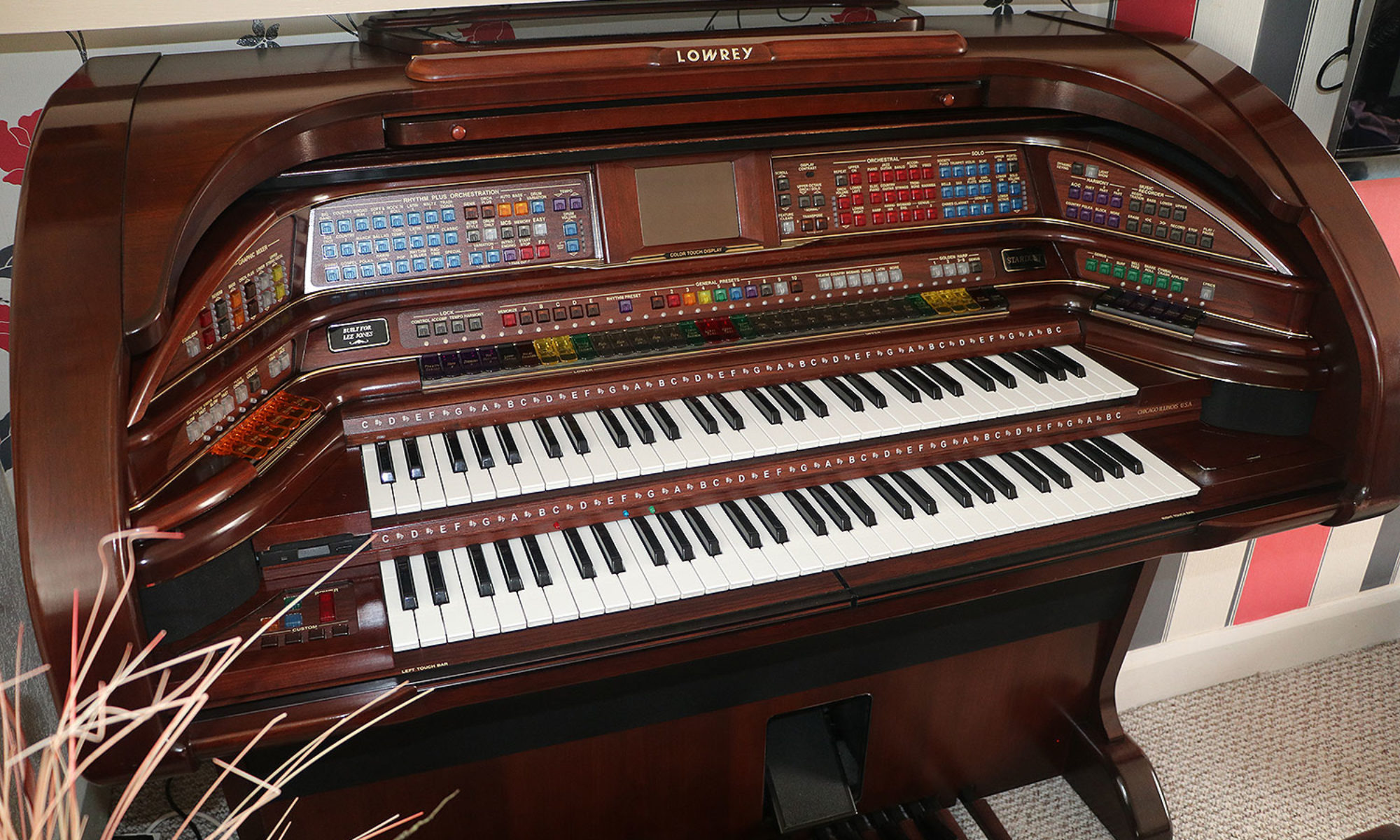
The idea that the Lowrey Holiday organ was “reincarnated many times” isn’t about literal rebirth—it’s really about how that instrument line kept being reworked, updated, and re-released in new forms over the years.

First, some context. Lowrey Organ Company was one of the biggest names in home electronic organs, especially from the 1960s through the 1980s. The “Holiday” models were part of their push to make organs appealing to everyday households, not just professionals.

Why it kept being “reincarnated”

1. Rapid changes in technology
Electronic instruments evolved very quickly in that era. Early Holiday organs used relatively simple analog circuitry, but as new tech came along—better tone generation, rhythm boxes, automatic accompaniment—Lowrey kept redesigning the same core concept.

So instead of abandoning the “Holiday” identity, they rebuilt it again and again with:

  • Improved sound realism
  • New preset styles (swing, bossa nova, etc.)
  • Easier “one-finger” chord systems

Each version was basically a new generation wearing a familiar name.


2. Strong brand recognition
“Holiday” wasn’t just a model—it was a marketing idea. It suggested fun, relaxation, and easy music-making at home.

Keeping the name alive:

  • Helped customers recognize the product line
  • Made upgrades feel like a continuation rather than a replacement
  • Built loyalty among amateur players

So every “reincarnation” was partly branding strategy, not just engineering.


3. Changing consumer expectations
In the 60s–80s, home entertainment was evolving fast. People wanted instruments that:

  • Required less training
  • Sounded fuller with minimal effort
  • Could mimic bands or orchestras

Lowrey responded by repeatedly redesigning the Holiday organs to match these expectations. Each version tried to make playing feel more automatic and rewarding, which meant constant iteration.


4. Competition in the home organ market
Lowrey wasn’t alone. Companies like Hammond Organ Company and Yamaha Corporation were also pushing innovation.

To stay competitive, Lowrey had to:

  • Release updated models frequently
  • Add features competitors didn’t have
  • Refresh older designs instead of starting from scratch

This created the impression of the same organ being “reborn” many times.


5. Shift from instruments to entertainment systems
Later versions of Lowrey organs weren’t just instruments—they were closer to self-contained entertainment machines:

  • Built-in rhythms and backing tracks
  • Auto-play features
  • Teaching systems

Each redesign moved further in that direction, so even though the name “Holiday” remained, the actual product kept evolving significantly.


Bottom line

The “many reincarnations” of the Lowrey Holiday organ come down to continuous redesign driven by technology, marketing, and competition. It’s less like a single object coming back to life, and more like a product line being reinvented over and over to stay relevant.

If you want, I can walk through specific Holiday models and show exactly how each version changed—that’s where the differences really become clear.

Leave a Reply

Your email address will not be published. Required fields are marked *